This article will cover key aspects of roof replacement, providing essential knowledge for homeowners considering a new roof. We will address some of the most common questions and concerns regarding this important home improvement task. Understanding the process and requirements for a roof replacement can prevent unexpected issues and ensure the longevity of your new roof.
For many homeowners, roof replacement is a significant investment that requires careful consideration of various factors. By following this guide, you can make informed decisions that impact both the aesthetics and function of your property.
What Are the Signs That Indicate a Roof Replacement is Necessary?
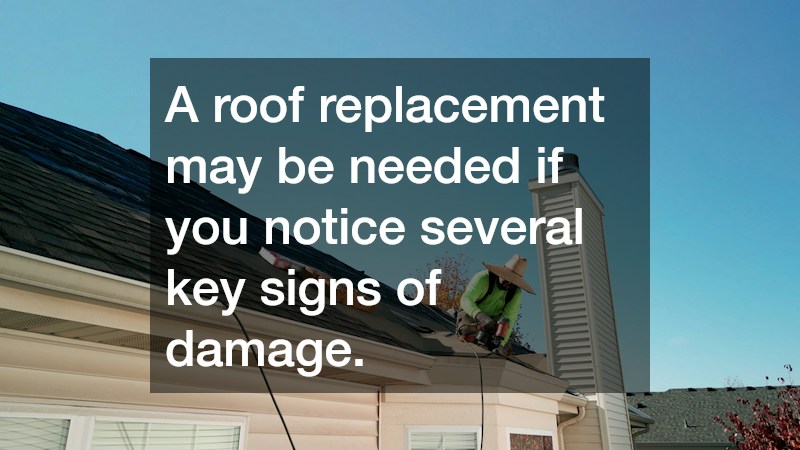
A roof replacement may be needed if you notice several key signs of damage. These can include missing shingles, visible water damage inside your home, or a sudden increase in utility bills due to poor insulation. Roof shingles naturally deteriorate over time, and if more than 20% of your shingles are missing or severely damaged, it’s typically more economical to replace the roof rather than attempt repairs. Strong winds and storms can exacerbate existing issues, so routine inspections, especially after significant weather events, are crucial. Additionally, if your roof is over 20 years old, it may be near the end of its lifespan, and a replacement should be considered.
Another indication of needing a roof replacement is the presence of algae or moss. While not immediately harmful, moss can trap moisture against the shingles, leading to extensive damage over time. Holes and leaks within the roof structure will visibly affect the interior of your home, causing stains on ceilings or walls. These issues not only jeopardize the integrity of your home but also increase the risk of mold growth, which could pose health risks to your family. Cracked shingles or those that appear curled at the edges can weaken the roof’s protective barrier and should not be ignored. If you’re unsure as to whether a roof replacement is needed, it would be wise to seek the opinion of a professional roofing contractor. Experts can perform a thorough inspection, assessing not only the visible damage but also signs of structural issues that might not be immediately apparent.
How Do I Choose the Right Roofing Material for My Replacement?
Choosing the right roofing material for a replacement is crucial to ensure longevity and the desired aesthetic appeal. The most common materials include asphalt shingles, metal, wood, tile, and slate, each with its own advantages and disadvantages. For many households, asphalt shingles are a popular choice due to their affordability and ease of installation. They generally provide a good balance of cost, durability, and style options. However, for those seeking a more distinct look or increased durability, other materials might be better suited.
Metal roofs, for instance, offer exceptional durability and can last up to 50 years or more, making them a viable long-term investment. They reflect solar radiant heat, reducing cooling costs by 10-25%, thus contributing to energy efficiency. On the other hand, tiles and slates are superb for homeowners in warmer climates due to their natural thermal properties. Despite their heavier weight, which requires a solid roof support structure, they provide a naturally elegant appearance that complements various architectural styles. Consultation with a roofing specialist is essential to weigh these factors, including climate and design preferences.
What is the Average Cost and Timeline for a Roof Replacement?
The cost of a roof replacement can vary significantly, depending on the size of your home, roofing material, and labor costs in your area. On average, homeowners might spend anywhere from $5,000 to $20,000 on a full roof replacement project. Asphalt shingles tend to be less expensive, whereas materials like slate or tile are more costly. The condition of your existing roof structure will also impact costs; if there is extensive damage to the underlying structure, this needs to be addressed, which can further drive up expenses. Obtaining multiple quotes from reliable contractors is recommended to ensure a competitive price.
The timeline for a roof replacement largely depends on the size of the roof and the chosen materials. Generally, it could take anywhere from a few days up to two weeks to complete the replacement. Weather conditions play a significant role in these projects, as rain or low temperatures can delay progress and extend timelines. Therefore, it’s advantageous to plan your roof replacement during a season when favorable weather is most likely. Having clear communication with the contractor about expected duration and potential weather impacts can alleviate scheduling concerns.
Understanding the basics of roof replacement is crucial for homeowners. By recognizing the signs of damage, selecting appropriate materials, and budgeting accurately, you can ensure a successful and efficient roof replacement process. Investing in a new roof not only enhances the aesthetic appeal of your home but also provides functional benefits like improved insulation and energy efficiency. As roof replacement represents a sizable investment, informed decisions can protect this valuable asset and maintain your property’s value. Always engage a qualified professional for inspections and installations to maximize the longevity of your new roof.