In the realm of paving, understanding the choice between paver base panels and traditional gravel is crucial for effective decision-making with patio builders. This article delves into the advantages and challenges posed by each method, equipping readers with the knowledge required to choose wisely for their paving projects.
1. What Are Paver Base Panels?
1.1 Definition and Composition
Paver base panels are innovative building components engineered to create a stable base for paving stones. Composed primarily of geotextile materials that provide exceptional support, these panels represent a modern alternative to conventional sand and gravel.
These panels are engineered to interlock seamlessly, enhancing the structural integrity of any paving project. The lightweight design makes them easy to transport and install compared to heavy gravel.
The unique composition allows for excellent drainage, reducing the risk of water pooling and maintaining surface integrity. Because of their design, they are ideal for areas prone to shifting or settling.
1.2 Installation Process
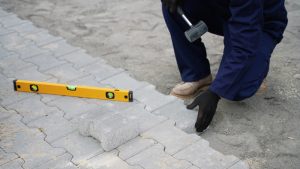
The installation of paver base panels is a streamlined process involving snapping panels into place over a pre-leveled surface. This contrasts significantly with the labor-intensive tasks of spreading and leveling gravel.
By reducing the dependency on large equipment and extensive manual labor, most homeowners can manage the installation themselves. The user-friendly nature of these panels also minimizes the margin for error during setup.
With their lightweight nature, paver base panels significantly simplify the logistics of moving materials to the project site. This ease reduces overall project time, making it a quicker process.
1.3 Benefits of Using Paver Base Panels
Paver base panels offer a plethora of benefits including durable and robust support for paving stones, ensuring long-lasting results. The structural advantages are particularly beneficial for driveways and high-traffic areas.
Moreover, the lightweight design not only quickens installation but also reduces shipping costs, making it an efficient solution. This efficiency extends to lower labor costs due to the simplified installation.
Their design helps to prevent weed growth between pavers, maintaining a clean and attractive appearance. This feature, combined with excellent water drainage capabilities, contributes to enhanced durability and aesthetics.
2. How Do Traditional Gravel Bases Work?
2.1 Definition and Composition
Traditional gravel bases are constructed using layers of compacted gravel to provide foundational support for paving stones. This method has been conventionally employed in various residential and industrial settings.
Gravel is typically sourced from natural deposits and offers robust structural support when compacted correctly. The varied sizes in gravel help in compaction, providing stability and drainage simultaneously.
This traditional method utilizes locally sourced materials, often making it more environmentally friendly and cost-effective in certain regions. The simplicity of sourcing adds to its straightforward appeal.
2.2 Installation Process
Installing a traditional gravel base involves spreading layers of gravel which are compacted using heavy machinery. This might require excavation work to ensure the site is ready for gravel laying.
The process is labor-intensive, requiring precise effort to achieve a level and stable foundation. Due to the physical demands, professional installation might be necessary, impacting costs significantly.
The use of machinery and need for expert oversight can extend project timelines compared to panel installations. Moreover, alignment errors are costly to correct, emphasizing the need for precision.
2.3 Advantages of Using Gravel Bases
Gravel bases are tried and tested, known for their ability to withstand heavy foot and vehicle traffic effectively. Their performance under load makes them a reliable choice for extensive projects.
Gravel bases are adaptable to various climates and seasons, showing resilience against weather changes. Their natural drainage capability helps in maintaining structural integrity under wet conditions.
Being a cost-effective solution, gravel is easily maintained and can be replenished when needed. Thus, it is an ideal choice for expansive outdoor projects on a restrained budget.
3. How Do Paver Base Panels Compare to Gravel in Terms of Durability?
3.1 Durability Under Load
Paver base panels are renowned for withstanding considerable loads, ideal for heavy traffic zones like driveways. This strength stems from their targeted design, minimizing surface wear.
Traditional gravel bases also provide durability but risk displacement over time under consistent load. Maintenance becomes essential to perpetuate its ability to support substantial weight.
Although both methods are designed for durability, base panels promise a longer lifespan due to reduced settling. However, gravel is a worthy contender due to its proven resilience in supporting weight.
3.2 Environmental Impact on Durability
Environmental factors, such as climate changes and moisture levels, can affect both paver base panels and gravel. Base panels are especially resilient to water infiltration which affects gravel adversely.
Gravel bases can suffer erosion, impacting durability if not properly maintained under adverse environmental conditions. The porous design of paver base panels allows them to handle rain exceedingly well.
Both systems offer strengths but paver bases minimize environmental impacts effectively, enhancing longevity. Their performance in inclement weather solidifies them as a reliable outdoor option.
3.3 Long-term Performance
Paver base panels typically boast an impressive lifespan with minimal degradation over time. This longevity translates to fewer repairs and upkeep compared to the gravel alternative.
Gravel’s long-term performance can be hindered by natural shifting and compaction loss, necessitating corrective work. Paver panels’ low-maintenance design removes such challenges, retaining performance.
The reduced need for upkeep operations on paver base panels equates to long-term savings, maintaining high-performing surfaces. Despite gravel’s reliability, it often requires more resources to remain effective.
Both paver base panels and traditional gravel have their merits, each catering to different project needs and budgetary considerations. Making an informed choice hinges on evaluating long-term benefits against immediate costs.
Paver base panels, while initially more costly, often provide a more durable, efficient, and environmentally friendly paving solution. As a prudent investment, they bolster property value and reduce maintenance hassle.