Pipe lining is a crucial aspect of modern infrastructure and plumbing maintenance that offers a convenient alternative to traditional pipe replacement methods. It plays a significant role in ensuring the longevity and functionality of piping systems, thereby preventing potential failures. With infrastructure across the globe aging, pipe lining offers a cost-effective and environmentally friendly solution to address these challenges.
As we delve into the various facets of pipe lining, its importance and relevance in today’s world cannot be overstated. This article explores the fundamentals and intricacies of pipe lining, showcasing its advantages and potential drawbacks.
1. What Is Pipe Lining?
1.1. Definition of Pipe Lining
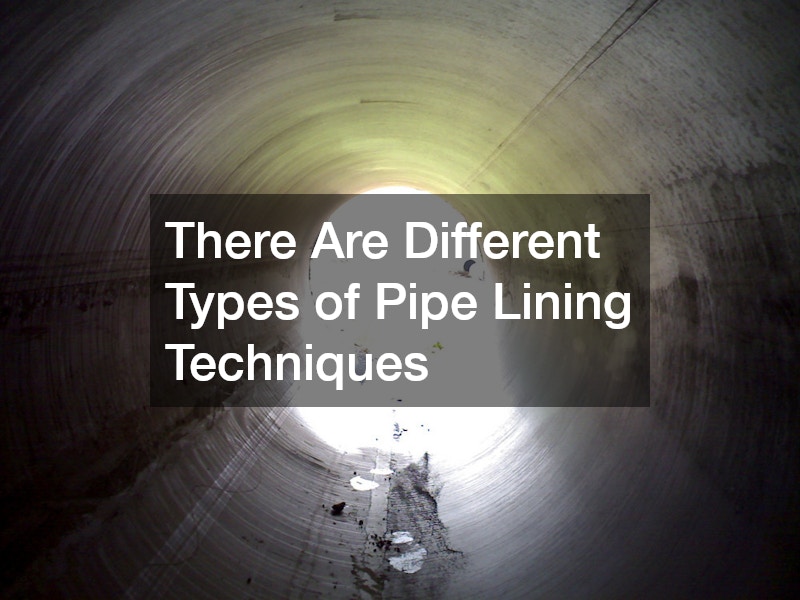
Pipe lining refers to the process of rehabilitating existing pipelines by applying a new lining along the interior walls of the pipe without excavation. The lining material typically consists of a polymer or resin that adheres to the interior surface, forming a new, durable inner layer. This method allows for minor structural renewal, addressing issues such as leaks, cracks, and corrosion. Not only does pipe lining restore the pipe’s function, but it also extends its usable life, reducing the need for costly replacements. By minimizing disruptions and preserving existing structures, pipe lining serves as an appealing option for many utility and infrastructure projects.
1.2. History and Evolution of Pipe Lining
The origins of pipe lining can be traced back to the early 1970s when engineers sought solutions to the problem of deteriorating pipelines without resorting to full-scale replacements. Initially, techniques like slip lining and cured-in-place pipe (CIPP) lining were developed to repair and rehabilitate sewer and water lines efficiently. Over the decades, advancements in materials and technology have significantly improved these initial methods, enhancing their effectiveness and applicability across various types of piping systems. Pipe lining has evolved from a niche solution to a widely accepted practice internationally, offering sustainable infrastructure maintenance alternatives. As challenges and technologies continue to develop, pipe lining remains at the forefront of innovative infrastructure solutions.
1.3. Types of Pipe Lining Techniques
Pipe lining techniques vary widely, catering to different types of applications and material needs. Cured-in-place pipe (CIPP) lining involves inserting and inflating a resin-saturated felt tube inside the existing pipe, which is then cured to form a new pipe within the old one. Epoxy lining, another popular method, involves spraying an epoxy resin inside the pipe, sometimes following minor surface preparation, to coat and protect against corrosion and leaks. Each technique offers distinct advantages and is chosen based on factors such as pipe material, size, location, and the degree of damage. By providing multiple options, pipe lining can be tailored to meet diverse infrastructure requirements, making it a versatile approach.
1.4. Benefits of Pipe Lining
The advantages of pipe lining over traditional pipe replacement are numerous and compelling. Notably, pipe lining often results in less disruption to surfaces and environments, as it requires fewer excavations and disturbances. It also tends to be quicker to complete, reducing labor costs, and often provides a longer-lasting solution than replacement. Additionally, pipe lining improves water flow and pressure due to the smoother internal surface created by the lining. This restoration technique is not only a cost-effective measure but also contributes to sustainable environmental practices, offering a modern solution in line with today’s ecological awareness.
1.5. Challenges in Pipe Lining
Despite its benefits, pipe lining does present some challenges and limitations. For instance, the quality of the final product can significantly depend on the existing condition of the pipe and the thoroughness of pre-lining cleaning and preparation. If not conducted properly, lining may not adhere correctly, leading to failures and the need for additional repairs. Furthermore, pipe lining may not be suitable for very intricate, severely damaged, or improperly sized pipelines which might limit its applicability. Finally, the costs associated with specialized equipment and trained personnel can be a deterrent in specific circumstances, making effective project planning critical. These challenges necessitate careful consideration and planning to achieve desired outcomes for pipe lining projects.
2. How Does Pipe Lining Work?
2.1. Inspection Procedures
Before any pipe lining project can begin, thorough inspections are paramount in assessing the condition and suitability of the pipelines for lining. Typically, this involves using CCTV cameras to visually inspect the pipes from the inside, identifying any significant structural issues such as blockages or severe degradation. Detailed assessments allow professionals to determine the most suitable type of pipe lining technique, and inspection results influence the overall project approach. Furthermore, inspections help establish baselines for line integrity and serviceability, providing a clearer picture of the necessary steps and modifications. Through meticulous evaluation, inspections ensure the alignment of client expectations with practical outcomes.
2.2. Pipe Cleaning Techniques
Pipe cleaning is a crucial step preceding the pipe lining process, ensuring that the interiors of the pipes are clean and clear of debris that can impede lining adhesion. Techniques such as hydro jetting, where high-pressure water jets are used to clear out blockages and debris, are commonly employed. Mechanical cleaning methods, such as pigging, involve running cleaning devices through the pipeline to remove any remaining obstructions. By guaranteeing a clean surface, these methods facilitate effective bonding of the liner, key to maintaining long-term structural integrity. Ultimately, proper cleaning ensures the lining material fully adheres to the pipe walls, optimizing performance.
2.3. Application of Lining Material
Once the pipe is prepared, the next step involves applying the lining material, typically conducted by trained professionals using specialized equipment. For CIPP, a resin-saturated liner is inverted or pulled through the existing pipe, inflated, and allowed to cure into a new pipe within the existing structure. In the case of epoxy lining, the resin is sprayed directly onto the interior pipe walls, where it hardens to form a tough protective barrier during installation. The careful application of these materials ensures a seamless and leak-proof seal, crucial to the refurbishment process. Through a standardized application approach, pipe lining can provide a durable and long-lasting solution.
2.4. Curing and Installation
The curing phase is critical in solidifying the newly applied lining material, ensuring it forms a stable and high-integrity new pipe surface. Depending on the type of lining material used, curing might involve hot water, steam, or even ultraviolet light processes to ensure the material sets properly. This step can take anywhere from hours to days, depending on environmental conditions and pipe dimensions, affecting project timelines. After curing is complete, the newly lined pipe is ready for testing and restoration of service. Proper curing reinforces the structural capacity of the newly formed lining, making it essential for successful project completion.
2.5. Testing and Quality Assurance
Once the lining process is completed, rigorous testing is conducted to ensure the newly lined pipe meets quality and safety standards. Pressure tests, leak tests, and further camera inspections verify the integrity and efficacy of the lining. Quality assurance not only involves confirming successful installation but also providing documentation of compliance with relevant building codes and regulations. This phase is indispensable to validate the performance of the lined pipeline and address any potential issues immediately. Through comprehensive quality checks, pipe lining projects can achieve the desired outcomes, maintaining both safety and client satisfaction.
3. What Are the Costs Involved in Pipe Lining?
3.1. Factors Influencing Costs
The cost of pipe lining projects can vary greatly depending on several crucial factors such as the length and diameter of the pipe, the pipe material, and the extent of deterioration. Project location also plays a role, as urban environments might incur higher labor and logistical expenses. Moreover, the choice of lining technique and the need for specialized equipment or personnel can also influence overall costs. External factors like environmental conditions and access difficulties may further impact the budgetary requirements of a lining project. A comprehensive understanding of these cost factors aids in project planning and execution, balancing budget constraints with project goals.
3.2. Comparison with Pipe Replacement Costs
When compared to traditional pipe replacement, pipe lining often presents a more cost-effective alternative, despite certain potentially higher upfront costs. Without the need for extensive excavation, pipe lining reduces land restoration costs and associated land damages. Furthermore, expedited project timelines minimize extra labor and overhead costs, often making the entire pipe lining process more economically efficient. Replacement projects, conversely, involve significant material and labor expenses, disruption, and longer completion periods. In many scenarios, the economic advantages of pipe lining surpass those of replacements, offering a fiscally wise choice for various infrastructure maintenance needs.
3.3. Financial Benefits of Pipe Lining
Financially, pipe lining offers numerous benefits by preserving existing piping infrastructure and minimizing ongoing maintenance costs. By extending the service life of pipes, maintenance budgets can be redirected and optimized for other infrastructure needs. The reduction of resource usage and minimization of potential future liabilities can translate into further savings, augmenting overall fiscal health. Moreover, government incentives or tax benefits for using sustainable technologies can provide additional financial advantages for pipe lining projects. Through strategic planning and budgeting, the financial aspects of pipe lining can bring significant positive returns on infrastructure investments.
3.4. Saving on Labor and Time
Pipe lining projects typically offer substantial labor and time savings, especially when compared to traditional pipe replacement processes. Because there is no need to dig trenches or extensively disrupt existing infrastructure, projects can be completed more swiftly, reducing associated labor costs. The non-intrusive nature of pipe lining allows for quicker restoration of service, mitigating downtime for essential utilities. This efficiency can be particularly beneficial in urban areas where minimizing disruption is a key concern to both local governments and residents. Ultimately, the time and labor efficiencies of pipe lining often result in decreased operational costs, complementing financial savings further.
3.5. Investment in Long-Term Infrastructure
Investing in pipe lining as part of long-term infrastructure planning promises substantial savings and mitigates the cost of future repairs or replacements. Lining extends the longevity of pipelines, providing an enduring solution without the need to frequently resort to costly overhauls. This proactive investment results in enhanced overall infrastructure reliability and functionality, reducing potential risks associated with water loss, contamination, or property damage. By focusing on long-term infrastructure maintenance strategies through pipe lining, governments and organizations can optimize resource allocation effectively. In alignment with global sustainability goals, pipe lining supports responsible investment in resilient and durable infrastructure systems.
4. When Should Pipe Lining Be Considered?
4.1. Signs of Pipe Deterioration
Recognizing the signs of pipe deterioration is essential to determining the optimum timing for introducing pipe lining solutions. Common indicators include repeated leaks, persistent blockages, reduced water pressure, and increasing concerns about water quality impacting health and safety. These issues often suggest internal pipe corrosion, fractures, or scaling build-up necessitating intervention. Recognizing early warning signs allows for preventative action that can save significant costs and prevent extensive damage. By addressing potential problems before they exacerbate, pipe lining can ensure continuous infrastructure functionality and reliability.
4.2. Seasonal and Environmental Factors
Environmental factors and seasonal changes can significantly influence the timing and necessity of pipe lining projects. Freezing temperatures and thaw cycles are particularly harsh on pipelines, often leading to expansion and contraction that exacerbate existing issues. Furthermore, regions with heavy rainfall or flooding face additional challenges such as displaced soil pressure or increased corrosion rates. Taking environmental conditions into account helps identify windows for lining projects and builds resilience into the seasonal dynamics of environmental wear and tear. By anticipating weather-related impacts, pipe lining projects can be strategically planned and executed at optimal times.
4.3. Age and Condition of Infrastructure
The age and existing condition of an infrastructure system critically impact the decision-making process regarding pipe lining initiatives. Older pipes built with outdated materials such as galvanized steel or cast iron are more prone to failure and could benefit significantly from lining. Active monitoring and assessment of infrastructure age can highlight areas for proactive intervention, reducing the risk of emergency repairs. Developing a maintenance strategy based on the pipeline’s material, environmental exposure, and historical performance provides invaluable data. In doing so, prioritized pipe lining projects ensure a focus on maintaining a robust and reliable infrastructure.
4.4. Proactive vs. Reactive Maintenance
A critical factor in the decision for pipe lining is distinguishing between proactive and reactive approaches to pipe maintenance. Proactive maintenance involves regular assessment and lining before failures occur, ultimately serving to extend the pipe’s lifetime and prevent inconvenient breakdowns. Reactive maintenance, involving repairs after issues become apparent, results in increased urgency, costs, and potential service interruptions. By favoring a proactive approach, pipe lining can be conducted strategically to manage risks and costs more effectively. Aligning maintenance practices with infrastructure longevity goals ensures efficient and fiscally responsible resource distributions.
4.5. Regulatory and Compliance Considerations
Compliance with regulatory standards and building codes holds significant implications for pipe lining decisions. Governments or municipal regulations may stipulate minimum requirements for pipeline integrity and environmental guidelines that must be adhered to. Moreover, adhering to compliance standards minimizes liabilities and ensures public health and safety by maintaining established infrastructure quality benchmarks. Knowledge of relevant regulations and maintaining ongoing compliance can drive decisions to pursue pipe lining proactively, garnering benefits from regulatory tax incentives or grants. Through informed compliance management, pipe lining choices can support sustainable, safe, and legally regulated infrastructure initiatives.
5. What Are the Environmental Impacts of Pipe Lining?
5.1. Environmental Benefits
Choosing pipe lining over traditional pipe replacement often results in significant environmental benefits, aligning infrastructure practice with sustainable approaches. Reduced excavation and minimal soil displacement help preserve the natural environment and decrease energy consumption and emissions associated with transportation and heavy machinery. Furthermore, utilizing advanced and recyclable materials in lining processes means a lower demand for virgin extraction of raw materials, protecting resources for future generations. As environmental awareness becomes ever more prevalent, pipe lining offers an environmentally responsible method to manage infrastructure sustainably. Through informed environmental commitment, pipe lining fosters a harmonious balance between progress and preservation.
5.2. Reduction in Resource Usage
Pipe lining significantly contributes to reducing resource usage, as it rehabilitates existing infrastructure rather than opting for complete replacement. This decreased demand for raw materials such as metals, plastics, or concrete aids in conserving the planet’s finite resources, moving towards circular economy principles. The lesser need for transportation or encroachment on undeveloped land translates to lower energy consumption and associated emissions. By adopting sustainable practices and prioritizing efficiency over resource-intensive alternatives, the environmental footprint of infrastructure maintenance can be markedly reduced. Pipe lining serves as an exemplar of responsible resource management.
5.3. Minimizing Waste Generation
Waste management is a major environmental consideration, and pipe lining plays a valuable role in minimizing the production of waste compared to traditional methods. By eliminating the need to remove and replace old pipes, significant reductions in waste volume are achieved, leading to lower landfill contributions. Installation techniques like CIPP or epoxy lining leave the existing pipe in situ, focusing solely on refurbishing the internal surface. Through this conservative approach, pipe lining supports waste management strategies and contributes to achieving sustainable development goals. Environmental stewardship advances when practices center around reduction and reuse instead of replacement.
5.4. Impact on Water Quality
Preserving water quality is an important aspect of health and safety, and pipe lining effectively manages the integrity of water delivery systems. Freshly lined pipes are less susceptible to corrosion and contamination, reducing the risk of chemical or metal leach into potable water systems. Some pipe lining materials are even tailored to withstand aggressive chemical interactions, providing an additional layer of protection for sensitive water supplies. Through safeguarding water quality, pipe lining promotes public health and reinforces community confidence in piped water services. By securing water quality, pipe lining forms an essential part of responsible infrastructure management.
5.5. Energy Consumption and Efficiency
The energy demands of pipe lining are notably lower when compared to conventional pipe replacement, enhancing operational efficiency comprehensively. By avoiding large equipment use, excavation, and transportation of pipeline materials, overall project energy consumption is significantly diminished. Improved flow characteristics within lined pipes can also lead to pumping efficiencies, further minimizing operational energy usage. Energy-conscious implementations, a growing priority within infrastructure systems, find alignment with the sustainability aspects of pipe lining. Through wiser energy use, pipe lining solidifies its position as an integral contributor to efficient and eco-friendly infrastructure solutions.
In summary, pipe lining stands as a progressive and innovative solution to modern infrastructure challenges, offering a range of benefits from economic to environmental perspectives. Its non-invasive nature and ability to restore function and integrity to various piping systems make it a valuable alternative to traditional replacement methods. As infrastructure demands and environmental considerations continue to grow, pipe lining emerges as a versatile, economically sound, and eco-friendly option for long-lasting, durable, and sustainable infrastructure solutions. Encouraging further research and awareness, pipe lining remains essential in addressing the future needs of plumbing and infrastructure and preserving our natural resources for future generations.